
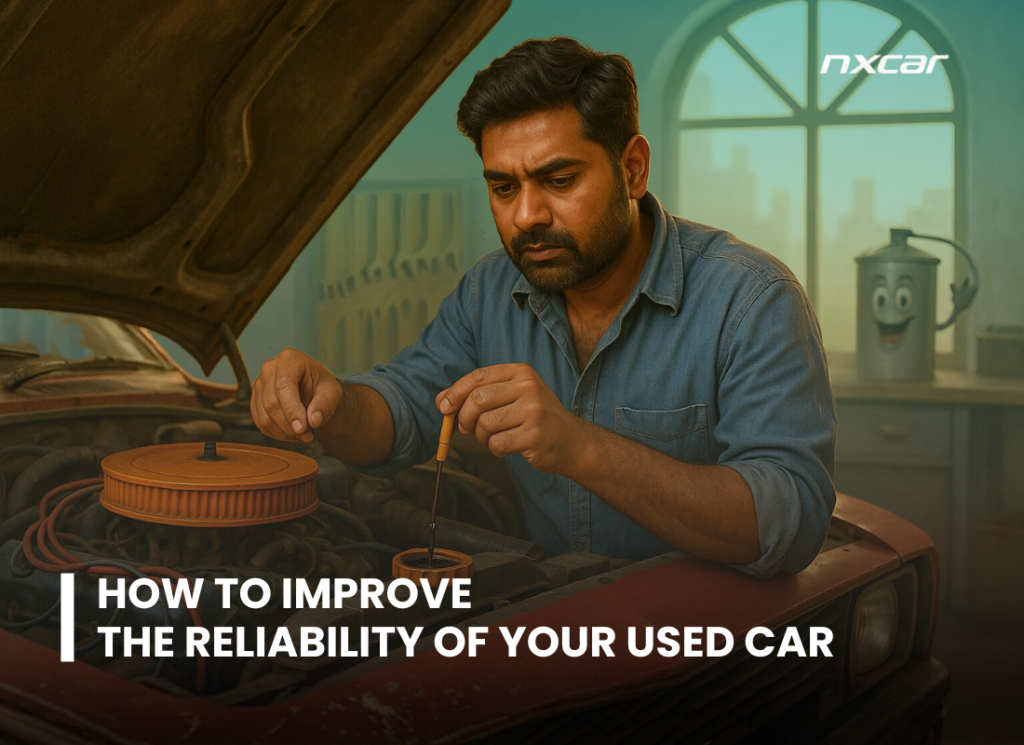
A used car can feel like a gamble—reliable one day, unpredictable the next. What begins as a budget-friendly purchase can quickly turn into a cycle of surprise breakdowns, rising repair bills, and constant uncertainty. The anxiety builds. Every strange noise feels like a warning. Every dashboard light feels like a threat. You start questioning whether the car you trusted is quietly sabotaging your peace of mind.
But there’s good news. You don’t need to be a technician to reclaim confidence on the road. Understanding How to Improve the Reliability of Your Used Car is simpler—and far more empowering—than most people realize. With a few strategic habits, timely inspections, and preventive upgrades, you can transform an aging vehicle into a dependable daily companion. Reliability isn’t luck; it’s the result of smart upkeep.
This guide will show you exactly How to Improve the Reliability of Your Used Car, helping you extend its lifespan, reduce unexpected expenses, and restore the smooth, stress-free driving experience you deserve. Whether your car is five years old or fifteen, reliability is within reach—if you know where to begin.
Importance of Reliability in India
In India, reliability isn’t merely a desirable trait in a vehicle—it’s a lifeline. Daily commutes stretch across congested highways, unpredictable roads, and ever-changing weather conditions. A dependable car ensures continuity, safety, and peace of mind, especially for families and long-distance travellers. When a vehicle falters, the consequences go beyond inconvenience; lost work hours, expensive roadside repairs, and compromised safety quickly become overwhelming realities.
This is why understanding How to Improve the Reliability of Your Used Car becomes a crucial priority for Indian motorists. With rising fuel costs and increasing urban stress, maintaining a trustworthy used car can significantly reduce financial strain and elevate everyday comfort. From routine maintenance to preventive diagnostics, reliability empowers drivers to navigate India’s dynamic landscape without hesitation. Ultimately, a reliable car isn’t just a machine—it’s a dependable partner that supports mobility, opportunity, and stability in a fast-paced nation.
Essential Maintenance Habits
India’s roads are as diverse as its people—smooth expressways, cratered city streets, dusty rural tracks, and monsoon-soaked highways. For used car owners, this unpredictable landscape demands more than casual care. Understanding How to Improve the Reliability of Your Used Car becomes not just helpful, but absolutely necessary for long-term dependability, safety, and peace of mind. A well-maintained used car can feel brand-new, while a neglected one can drain your wallet faster than you imagine. The good news? Reliability is not a mystery; it is the result of small, consistent habits that keep every component functioning at its best.
Below is a comprehensive, India-focused maintenance blueprint—practical, budget-friendly, and tailored specifically for anyone looking to master How to Improve the Reliability of Your Used Car.
1. Engine Oil: The Lifeblood of Your Car
Regular oil maintenance forms the foundation of How to Improve the Reliability of Your Used Car. Used vehicles often have more wear on internal components, making lubrication extremely critical.
Check and change engine oil every 5,000–7,500 km.
Indian heat, dense traffic, and start-stop driving degrade oil faster than the ideal lab conditions manufacturers test in. Using OEM-spec oil—typically 10W-40 for most petrol engines—helps maintain smooth operation.
-
Low oil levels can trigger overheating, especially during peak summer temperatures.
-
Perform a dipstick check every month.
-
Always insist on genuine filters; a cheap one can restrict flow and risk engine seizure, leading to rebuilds costing ₹20,000 or more.
When learning How to Improve the Reliability of Your Used Car, treating oil changes as non-negotiable is essential.
2. Tyre Pressure, Tread & Alignment: Safety Begins Here
Tyres are your car’s only contact with the road, and in India’s driving conditions, they take a daily beating.
Monitor tyre pressure weekly.
Maintain 30–35 PSI when the tyres are cold. Incorrect pressure affects mileage, braking distance, and overall ride comfort.
Rotate tyres every 5,000 km and replace them after 40,000–50,000 km or 5–6 years.
Humidity, heat, potholes, and rough roads accelerate tyre wear dramatically.
Get alignment and balancing done every 5,000–10,000 km (₹500–1,000).
Uneven tread wear is a silent reliability killer—it reduces handling stability and increases tyre noise and fuel consumption.
A disciplined tyre routine is one of the simplest steps in How to Improve the Reliability of Your Used Car while also ensuring safety.
3. Brake System: The Most Crucial Safety Element
Indian traffic requires constant braking—bumper-to-bumper jams, sudden stops, pedestrians, bikes weaving through traffic—all stress your brakes.
Inspect brakes every 6 months.
Listen for squeals, grinding noises, or vibrations.
-
Brake pads should be replaced when thickness drops below 3mm.
-
Expect ₹3,000–5,000 annually for pads and discs in heavy city usage.
-
Neglect here can lead to complete brake failure—one of the most dangerous and expensive emergency fixes.
For anyone serious about How to Improve the Reliability of Your Used Car, brake maintenance is non-negotiable.
4. Coolant Levels & Leak Checks: Overheating Is a Threat
Used cars are especially vulnerable to overheating, which is one of the top reasons engines fail in India.
Top up coolant monthly and inspect the system for leaks.
Use an ethylene glycol mix that protects against boiling, corrosion, and mineral deposit buildup.
-
Check hoses and radiator joints for cracks or wet spots.
-
Overheating repairs can easily exceed ₹10,000; prevention is far cheaper.
A healthy cooling system is central to How to Improve the Reliability of Your Used Car, especially in regions touching 40–45°C during summer.
5. Air Filter Maintenance: Don’t Suffocate Your Engine
Dust and pollution levels in Indian cities are exceptionally high, clogging air filters far quicker than in western conditions.
Clean or replace the air filter every 5,000 km.
A clogged filter reduces mileage by 10–20% and forces the engine to work harder.
-
Cleaning costs ~₹300.
-
Replacement costs ~₹2,000.
-
A fresh filter improves acceleration, mileage, and overall drivability.
This simple habit directly contributes to How to Improve the Reliability of Your Used Car by ensuring your engine breathes properly.
6. Battery Health: A Small Component With Big Impact
Used cars often come with older batteries nearing the end of their lifespan.
Check the battery every 3 months.
Clean terminals with baking soda and water to fight corrosion.
-
Voltage should be 12.6V+ when the car is off.
-
Expect 2–3 years of lifespan in Indian climate.
-
Replacement costs ₹4,000–6,000 depending on type.
Battery failure is one of the most common reasons cars break down unexpectedly, making it a priority when addressing How to Improve the Reliability of Your Used Car.
7. Suspension & Steering: India’s Road Reality
Indian roads test suspensions relentlessly.
Inspect suspension and steering bi-annually.
Look out for knocking sounds, steering pull, or excessive vibration.
-
Bushings, shocks, or linkages typically cost ₹2,000–5,000 to repair.
-
An ignored suspension can lead to a ₹30,000+ full overhaul.
Good suspension doesn’t just ensure comfort—it improves stability, braking, and vehicle control.
8. Transmission Fluid: Smooth Shifts Save Money
Used cars often have worn transmissions, making fluid changes critical.
Change transmission fluid every 40,000 km.
For manuals, monitor clutch slippage; for automatics, insist on proper ATF flush.
Neglect can lead to repairs costing ₹15,000 or more. Proper servicing is a core element of How to Improve the Reliability of Your Used Car.
9. Air Conditioning: Comfort + Component Protection
India’s summers make AC indispensable.
Service annually before summer.
Clean cabin filters and top up refrigerant (₹1,000–2,000).
-
Dirty components cause strain on the compressor.
-
Compressor failures may cost ₹5,000+ to rectify.
Reliable AC isn’t just comfort—it protects the entire system.
10. Wipers & Washer Fluid: Vital for Monsoon Safety
Visibility issues are a major contributor to monsoon accidents.
Replace wiper blades every 6 months.
Use proper washer fluid instead of detergents to avoid pump blockages.
-
Blades cost ~₹300 per pair.
-
Pump replacements cost up to ₹6,500.
Such low-cost components play a huge role in How to Improve the Reliability of Your Used Car, especially during heavy rains.
11. Exterior & Underbody Care: Prevent Rust Slowly
India’s monsoon, coastal air, and dust accelerate corrosion.
Wash monthly using microfiber cloth and carnauba wax.
Request underbody washing to prevent rust buildup.
-
A ₹500 waterless wash can maintain shine and resale value.
-
Inspect the chassis regularly for signs of corrosion.
12. Interior Cleaning & UV Protection: Preserve Longevity
The Indian sun can crack dashboards and fade interiors.
Vacuum interiors and apply UV protectants quarterly.
Dust buildup also strains AC performance.
A well-kept cabin keeps the car feeling newer, improving long-term reliability.
13. Electrical System & Lighting: Small Fixes Prevent Big Failures
Electrical issues multiply during monsoon season.
Check bulbs, fuses, and horns every service.
Replace weak components immediately.
-
Small fixes cost ₹200–500.
-
Ignoring them may lead to wiring issues costing ₹2,000+.
14. Diagnostic Scans: The Modern Health Check
Used cars often hide issues undetectable to the naked eye.
Run a full OBD diagnostic scan during purchase and once a year.
This identifies:
-
Engine faults
-
Sensor malfunctions
-
Tampered odometers
-
Electrical irregularities
It is one of the smartest ways to understand How to Improve the Reliability of Your Used Car with scientific precision.
How Reliable Cars Retain Value
A reliable car doesn’t just make everyday driving stress-free—it also safeguards long-term financial returns. In a market as dynamic as India’s, vehicles that demonstrate consistent dependability often command higher resale prices and attract more confident buyers. Understanding How to Improve the Reliability of Your Used Car naturally enhances its valuation, transforming it from a depreciating asset into a well-maintained investment.
Why Reliability Drives Higher Resale Value
- Lower maintenance history: A car with timely servicing, clean records, and minimal breakdowns instantly appeals to buyers.
- Reduced wear and tear: When mechanical components last longer, the car retains its original performance and refinement.
- Stronger buyer confidence: Reliable cars eliminate the fear of hidden issues, encouraging quicker and better-priced sales.
How Reliability Boosts Market Perception
- Vehicles known for trouble-free ownership earn a reputation for longevity.
- Used car platforms and dealers often prioritise reliable models during valuation.
- A properly maintained car shows fewer cosmetic and mechanical imperfections, reinforcing trust.
Overall, focusing on How to Improve the Reliability of Your Used Car not only enhances driving comfort but also protects its long-term resale value, ensuring you get the best return when it’s time to upgrade.
Final Thoughts
Improving the reliability of a used car isn’t expensive—it’s consistent. With regular checks, timely replacements, and a preventive mindset, your old car can run like new for years. Each habit above forms a building block in mastering How to Improve the Reliability of Your Used Car, ensuring safety, longevity, and complete peace of mind on every journey.